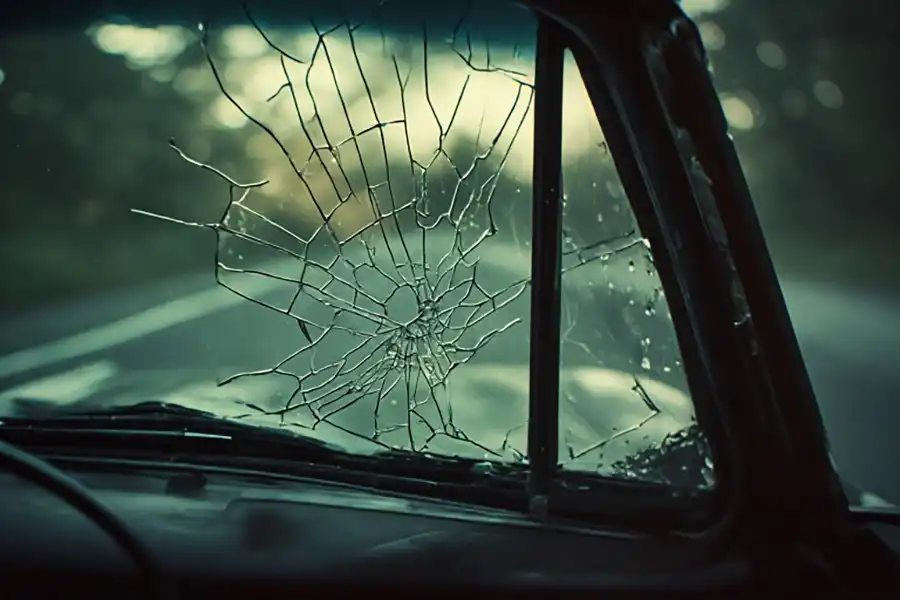
It happens in a split second. You are driving down the highway, enjoying the open road, when suddenly a rogue pebble gets kicked up by the tires of a semi-truck. You hear a sharp “smack,” and there it is: a distinct chip or a spiderweb crack right on your auto glass. Your immediate thought is likely, “How long can you drive with a cracked windshield?”
For many drivers, a small crack seems like a mere cosmetic annoyance—something to ignore until the next paycheck or until the next state inspection rolls around. However, your windshield is not just a shield against wind and bugs; it is a critical, highly engineered safety component of your vehicle. Ignoring a crack can compromise your safety, lead to costly fines, and put your passengers at risk.
In this comprehensive guide, we will explore exactly what happens when your auto glass is compromised, the hidden dangers of driving with a damaged windshield, the legal ramifications, and how to determine the right time for repairs or a full replacement.
The Anatomy of Modern Auto Glass: Why It Doesn’t Shatter
To understand the urgency of windshield damage, you first need to understand how your windshield is made. Unlike the tempered glass used in your side and rear windows—which is designed to shatter into thousands of tiny, blunt pieces upon impact—your front windshield is crafted from laminated glass.
This design relies heavily on laminated safety glass layers. Specifically, a modern windshield consists of two curved sheets of glass with a thin, strong layer of polyvinyl butyral (PVB) sandwiched in between. Under extreme heat and pressure, these three layers are fused together.
When a rock hits your windshield, the outer layer of glass may break, but the flexible PVB interlayer holds the broken pieces together. This prevents shards of glass from flying into your face while driving at highway speeds. However, once that outer layer is breached, the structural integrity of the entire pane is compromised, and the clock starts ticking on how long the glass can continue to perform its life-saving duties.
Not All Cracks Are Created Equal
If you are wondering how long you can ignore the damage, you first need to evaluate the type of break. Understanding bullseye vs stress crack severity can help you determine your next steps.
- Bullseye Cracks: Caused by a direct impact from a circular object (like a rock), these have a distinct dark center with concentric rings. If the bullseye is smaller than a quarter, it can usually be repaired quickly. Because it is a contained break, you might safely drive for a few days to a week before getting it fixed, though prompt repair is always recommended.
- Star Breaks: Similar to a bullseye but with legs or “rays” branching out from the center impact point. These are highly unstable and can spread rapidly.
- Stress Cracks: These cracks occur without any physical impact at all. They usually start at the edge of the windshield and snake their way inward. They are caused by drastic fluctuations in temperature or structural twisting of the vehicle frame. Stress cracks are severely structurally compromised and cannot be repaired—they require an immediate windshield replacement.
The Hidden Dangers of Driving with a Damaged Windshield
A cracked windshield is much more than an eyesore. It actively undermines the safety engineering of your vehicle in three critical ways.
1. The Structural Integrity of the Car Roof
Many drivers are surprised to learn that a windshield provides up to 45% of the structural integrity of the vehicle’s cabin in a front-end collision, and up to 60% in a rollover accident. The structural integrity of car roof heavily depends on the windshield acting as a load-bearing pillar. If your vehicle rolls over, the windshield helps prevent the roof from crushing inward and injuring the occupants. A cracked windshield has lost its strength and can easily buckle under the weight of the car, leading to catastrophic consequences in an accident.
2. Airbag Deployment Mechanics
Your passenger-side airbag is designed to deploy upward, bounce off the windshield at speeds of up to 200 mph, and then cushion the passenger. This relies entirely on adequate airbag deployment windshield support. If the windshield is already cracked, the immense force of the deploying airbag can shatter the glass outward. Instead of bouncing back to protect the passenger, the airbag deploys out through the broken window, leaving the occupant completely unprotected against the dashboard and the force of the collision.
3. Visual Distractions and Glare
Even a small crack can catch the sunlight and refract it directly into your eyes. Any driver line of sight glass damage severely reduces your ability to accurately judge distances, spot pedestrians, or react to sudden stops. The distortion caused by a crack in your direct line of vision is a massive liability, especially during dawn, dusk, or nighttime driving when headlights from oncoming traffic hit the compromised glass.
How Fast Do Cracks Spread?
You might be thinking, “It’s just a tiny chip; I have time.” But how fast does a windshield crack spread? The truth is, it is entirely unpredictable. A tiny chip can remain stable for a month, or it can spiderweb across your entire windshield in the span of five minutes.
Several everyday factors contribute to the rapid spreading of cracks:
- Thermodynamics: One of the biggest culprits is the relationship between temperature changes and glass stress. Glass expands when it is warm and contracts when it is cold. If you park your car in the blazing summer sun and then blast the air conditioning, the rapid cooling causes the glass to contract violently, turning a tiny chip into a massive crack. The same applies in winter if you blast the defroster on a freezing windshield.
- Vibrations: Driving over potholes, speed bumps, gravel roads, or even just driving at high speeds on the highway sends continuous vibrations through the vehicle’s frame. These vibrations stress the weak point of the glass.
- Pressure Changes: Slamming your car door with all the windows rolled up creates a sudden spike in cabin pressure. This pressure pushes outward on the windshield and can easily force a small crack to elongate.
Legal Consequences: Can You Get Pulled Over?
Aside from the physical dangers, driving with a compromised windshield can hit you directly in your wallet through traffic citations.
If you get pulled over, you could be facing a driving with obstructed view citation. Law enforcement officers have the discretion to ticket drivers if they believe a cracked windshield poses a hazard to the driver’s visibility or public safety.
Furthermore, you must be aware of windshield crack laws by state. While some states do not have explicit laws mentioning windshield cracks, they have broad “safe operation” laws. Other states are incredibly strict. For example, in many jurisdictions, any crack larger than a specific size (often 3/4 of an inch in diameter) or any crack located in the driver’s critical viewing area (the region swept by the driver-side wiper blade) makes the vehicle illegal to drive.
If you live in a state that requires annual vehicle inspections, a damaged windshield will often result in an automatic failure. Strict safety inspection windshield requirements mandate that the driver’s line of sight must be completely free of cracks, chips, and discoloration. Failing an inspection means you cannot legally renew your vehicle’s registration until the glass is replaced.
When Is It Time to Repair vs. Replace?
Knowing whether you can get away with a quick repair or if you need a full replacement depends on the size, depth, and location of the damage.
The Myth of the Temporary Fix
If you are short on funds, you might search the internet for a temporary fix for cracked windshield. You will find DIY suggestions like applying clear nail polish, using super glue, or slapping a piece of clear packing tape over the crack to keep dirt out.
While placing a small piece of clear tape over a dry chip can momentarily keep moisture and debris out (which helps yield a cleaner professional repair later), these are not structural fixes. Nail polish and super glue do absolutely nothing to restore the strength of the glass or stop a crack from spreading under temperature stress. Do not rely on DIY methods for more than a day or two while waiting for your appointment with a professional auto glass technician.
Evaluating Repair vs. Replacement
When considering the windshield repair vs replacement cost, a simple resin injection repair is highly economical. Professional technicians use specialized tools to vacuum the air out of the chip and inject a clear, curable resin. This restores the structural integrity of the glass and improves clarity.
However, you must know when to replace a cracked windshield immediately. You need a full replacement if:
- The crack is longer than a dollar bill (about 6 inches).
- The crack or chip is directly in the driver’s line of sight.
- There are three or more distinct chips on the windshield.
- The damage is at the very edge of the windshield (which compromises the seal).
- The damage penetrates both the inner and outer layers of the laminated glass.
While a replacement costs more than a repair, delaying a necessary replacement puts your life and the lives of your passengers in jeopardy.
Navigating Insurance and Advanced Vehicle Technology
Many drivers put off dealing with auto glass damage because they are worried about the out-of-pocket costs. Fortunately, if you carry full coverage auto insurance, you likely have access to comprehensive insurance glass coverage.
Because insurance companies know that a structurally sound windshield prevents more expensive injuries in a crash, many policies cover windshield repairs completely, waiving your deductible. For full replacements, you will typically only have to pay your comprehensive deductible, and some states (like Florida, Kentucky, and South Carolina) legally require insurance companies to waive the deductible for windshield replacements. It is highly recommended to check your policy—fixing your windshield might cost you absolutely nothing.
The Complication of Modern Safety Systems
If you drive a vehicle built in the last decade, replacing your windshield is no longer a simple “swap the glass and go” procedure. Modern vehicles are equipped with Advanced Driver Assistance Systems (ADAS). These systems power life-saving features such as:
- Lane departure warning
- Automatic emergency braking
- Adaptive cruise control
- Forward collision warning
The cameras and sensors that operate these systems are mounted directly to, or look through, the windshield. When the glass is replaced, even a millimeter of variation in the angle of the glass or the mounting bracket can throw the camera’s perspective off.
This makes proper ADAS calibration after windshield replacement absolutely mandatory. If the camera is angled slightly downward because of a poorly installed windshield, the automatic braking system might think an object is closer than it is, triggering the brakes unexpectedly. Conversely, it might fail to detect an obstacle at all. When selecting an auto glass replacement company, you must ensure they have the advanced computer technology required to recalibrate your vehicle’s safety systems to OEM (Original Equipment Manufacturer) standards.
The Final Verdict
To return to the original question: How long can you drive with a cracked windshield?
The technical answer is that you can physically drive a car with a damaged windshield until the glass completely caves in or you get pulled over. The safe, logical answer is that you should not drive with a cracked windshield for any longer than it takes to get to a professional auto glass repair shop.
Driving with compromised glass puts you at risk of catastrophic injury during a rollover or airbag deployment, increases the likelihood of a citation, and limits your visual field. Because cracks can spread in a matter of hours due to temperature changes and road vibrations, ignoring a small, cheap-to-fix chip almost always guarantees you will have to pay for a full windshield replacement later.
Do not gamble with the safety of yourself, your family, or other drivers on the road. If you are dealing with a chip, a spreading spiderweb crack, or a completely shattered windshield, it is time to turn to a trusted, professional team that understands the complexities of modern auto glass and ADAS recalibration.
When you need prompt, professional, and precise auto glass service, Choose Advance Auto Glass. With years of experience, a commitment to superior safety standards, and seamless assistance with your comprehensive insurance claims, they make getting back on the road safely a breeze. Don’t wait until that tiny chip becomes a massive liability. For expert service, visit https://advanceautoglasshouston.com/ today to schedule your repair or replacement and ensure your vehicle is as safe as the day it rolled off the assembly line.
Advance Auto Glass
5203 Pinemont Dr
Unit B
Houston, TX 77092
832-677-9822