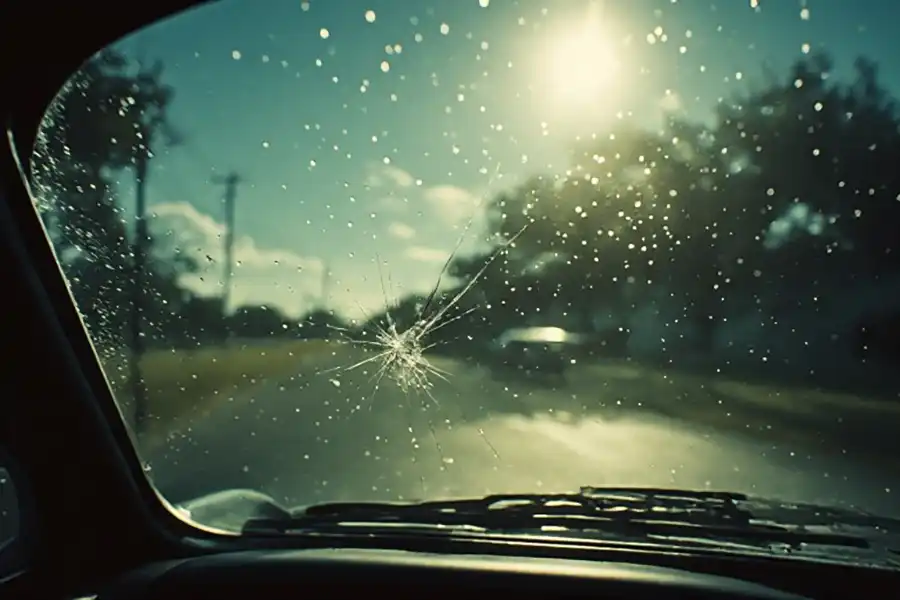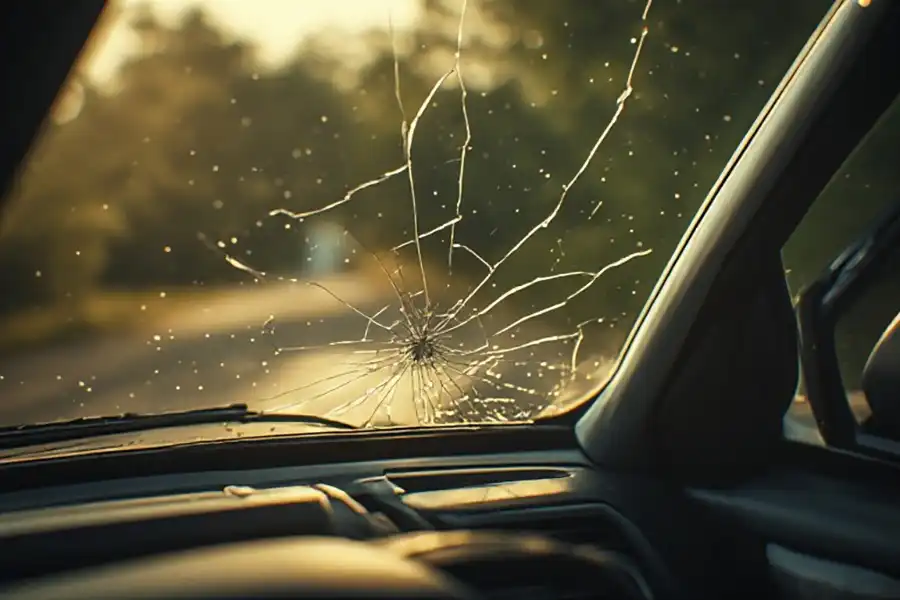
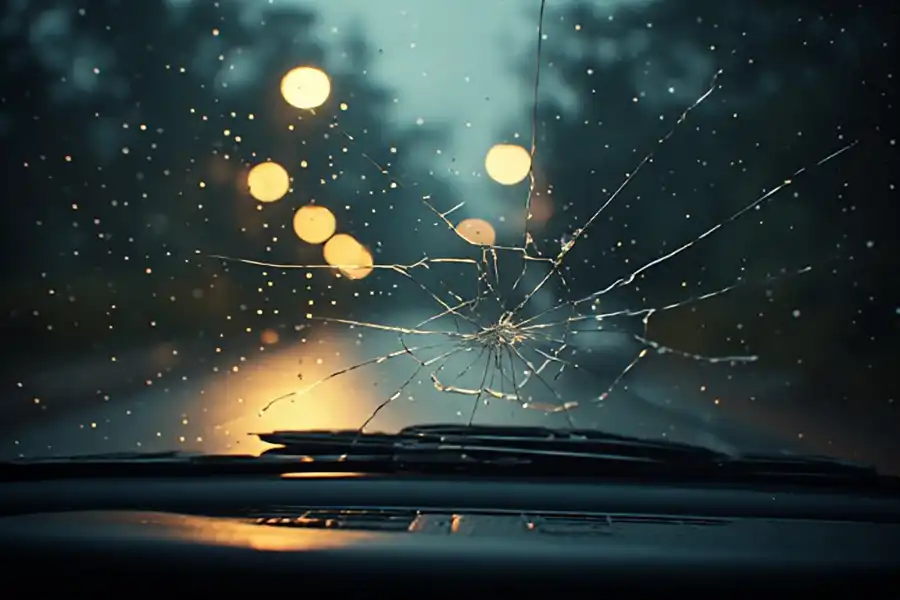
Houston drivers know that navigating the Katy Freeway, I-45, or the 610 Loop often feels like an obstacle course. Between never-ending construction zones and heavy truck traffic, the impact of road debris on Houston highways is a daily reality. All it takes is one stray pebble kicked up by an 18-wheeler to leave a nasty chip or spiderweb crack in your auto glass.
While a small blemish might seem like a mere cosmetic annoyance that you can put off fixing, ignoring it invites serious risks into your daily commute. Understanding the hidden dangers of driving with a cracked windshield in Houston, Texas, is crucial for your safety, your wallet, and your legal standing on the road.
A windshield does far more than just keep the wind and rain out of your face. It is a highly engineered, complex structural component of your vehicle. Let’s break down the severe dangers of cracked windshield damage, how the unpredictable Texas climate exacerbates the problem, and what you need to do to protect yourself and your passengers.
The Immediate Threats to Your Vision
When discussing the dangers of driving with a cracked windshield, the most immediate and obvious risk is compromised visibility.
Your windshield is designed to provide a crystal-clear, unobstructed view of the road. When the glass is compromised, light refracts through the cracks in unpredictable ways. This leads to massive glare reduction and driver visibility issues, especially during early morning commutes when the Texas sun is low on the horizon, or at night when oncoming headlights hit the damaged glass.
A sudden flare of blinding light caused by a cracked windshield can easily blind you for a split second—more than enough time to cause a rear-end collision in stop-and-go Houston traffic.
Structural Risks You Probably Didn’t Know About
Many drivers assume that their vehicle’s steel frame is the only thing protecting them in a crash. In reality, your windshield is a vital part of your vehicle’s structural support system.
Roof Support and Rollover Protection
In the event of a rollover accident, the windshield provides up to 60% of the cabin’s structural support. Regarding roof structural integrity windshield damage severely weakens this support system. A cracked windshield lacks the strength to bear the weight of the vehicle, making the roof far more likely to cave in and crush the occupants during a severe rollover.
Airbag Deployment Failures
Few drivers realize the passenger airbag deployment risks windshield crack damage can cause. Your passenger-side airbag is designed to deploy upward, bounce off the inside of the windshield, and cushion the passenger. The windshield acts as a critical backstop.
If the glass is already compromised by a severe crack, the explosive force of the deploying airbag can blow the windshield entirely out of its frame. Instead of protecting your passenger, the airbag deploys outward into the street, leaving the passenger unprotected against the dashboard.
The Role of Safety Glass
Modern auto glass is a marvel of engineering, largely due to polyvinyl butyral interlayer safety features. Your windshield is actually two layers of glass sandwiching a layer of polyvinyl butyral (PVB) plastic. This interlayer is what keeps the glass from shattering inward during an impact. When the outer layer of glass is cracked, moisture and dirt can penetrate and degrade the PVB layer over time, entirely neutralizing its life-saving safety features.
Houston’s Extreme Climate and Your Auto Glass
Living in the Gulf Coast region means dealing with brutal summer heat, sudden afternoon thunderstorms, and high humidity. This environment is the absolute worst-case scenario for damaged auto glass.
Have you ever left a glass of ice water out in the hot sun and watched it crack? The same physics apply to your vehicle. Due to the extreme heat, thermal stress windshield crack expansion Houston drivers experience is incredibly common.
Imagine your car has been baking in a parking lot on Westheimer Road in August. The glass temperature can easily exceed 130 degrees Fahrenheit. When you get in and blast the air conditioning to cool down, the sudden temperature shift causes the glass to rapidly contract. A tiny, unnoticeable chip can suddenly snap into a massive two-foot crack right before your eyes.
Tips for Preventing Expansion
While a permanent fix is required, here are a few actionable tips for preventing windshield chips from spreading in heat while you wait for your repair appointment:
- Park in the shade: Keep the glass as cool as possible by utilizing parking garages or tree cover.
- Gradually cool the car: Don’t blast your AC directly onto the windshield at full power right away. Roll down the windows to let the ambient heat escape first.
- Avoid slamming doors: The sudden change in cabin air pressure from a slammed door can force a weak chip to split into a large crack.
- Avoid automated car washes: The combination of hot glass, cold water, and heavy mechanical brushes is a guaranteed recipe for a shattered windshield.
The Legal Side: Texas Laws and Insurance
Many drivers put off repairs because they are worried about the cost, but driving with a damaged windshield can actually end up costing you more in fines and citations.
Will You Get Pulled Over?
People frequently ask: can you get a ticket for a cracked windshield in Texas? The short answer is yes. While there is no specific statute that dictates the exact size a crack can be, Texas law requires that drivers have an unobstructed view of the road. If a police officer deems that the spiderweb crack in your line of sight is a safety hazard, you will be pulled over and ticketed.
Furthermore, under Texas windshield laws and safety inspections, a damaged windshield can cause you to fail your annual vehicle inspection. If the crack is in the path of the windshield wipers or severely obscures the driver’s vision, your car will not pass, preventing you from renewing your vehicle registration.
Navigating Auto Insurance
You shouldn’t let budget constraints force you into driving an unsafe vehicle. When it comes to insurance coverage for glass repair in Texas, you might be pleasantly surprised. If you carry comprehensive auto insurance, windshield repair or replacement is typically covered.
In fact, many insurance companies will completely waive your deductible if you opt to have a small chip repaired rather than waiting for it to spread and require a full replacement. It saves the insurance company money, and it saves your factory factory seal.
Recognizing When It’s Time for a Fix
So, how long can you wait to fix a chipped windshield? In a climate like Houston’s, the answer is: not long at all. Ideally, you should have it looked at within a few days of the initial impact.
However, you must act immediately if you notice any of the following signs a windshield crack is unsafe:
- The crack is longer than a dollar bill.
- The damage penetrates both the outer and inner layers of the glass.
- The crack touches the outer edge of the windshield frame (this severely compromises structural integrity).
- There are multiple cracks radiating from a single impact point (spiderwebbing).
- The chip or crack is directly in the driver’s line of sight.
Repair vs. Replacement: Making the Right Choice
Once you decide to address the damage, you’ll need to determine the scope of the fix. When looking at windshield resin repair vs full replacement cost, repairing a chip is drastically cheaper and faster.
During a repair, a technician injects a clear, curable resin into the outer layer of the glass. This restores the structural integrity of the windshield and improves visibility. Most chips smaller than a quarter can be repaired in under 30 minutes.
However, if the crack is too severe, a full windshield replacement is mandatory.
The Importance of Quality Materials
If you need a replacement, you must consider OEM vs aftermarket glass safety standards. Original Equipment Manufacturer (OEM) glass is fabricated to the exact specifications of the automaker. It guarantees a perfect fit, matching the acoustic and structural properties of your vehicle perfectly. While aftermarket glass is heavily regulated and safe, ensuring you are working with a highly reputable glass installer is vital so you don’t end up with distorted glass or poor weather stripping.
The Hidden Step: Sensor Calibration
Modern vehicles are essentially computers on wheels. If your car has features like lane departure warnings, automatic emergency braking, or adaptive cruise control, the cameras and sensors for these systems are mounted directly behind the windshield.
Following a replacement, these sensors must be painstakingly realigned. ADAS sensor recalibration after windshield replacement is absolutely non-negotiable. If the camera is off by even a fraction of a millimeter, your vehicle’s safety system might fail to detect an obstacle or brake for a pedestrian. Always ensure your auto glass technician has the specialized technology required to perform Advanced Driver Assistance Systems (ADAS) recalibration.
Don’t Compromise on Your Safety
Your windshield is a complex, essential component of your vehicle’s safety ecosystem. From supporting the roof in a crash to providing a backstop for your airbags, the glass in front of you does much more than block the wind. Ignoring a small chip in the extreme Houston heat is a gamble that simply isn’t worth taking.
When you need reliable, professional auto glass services that prioritize your family’s safety, you need experts who understand the intricacies of modern vehicles. Choose Advance Auto Glass to handle everything from minor resin chip repairs to comprehensive ADAS recalibrations.
Don’t let a stray piece of highway debris compromise your safety. Get your windshield inspected and fixed by the best in the business. Visit https://advanceautoglasshouston.com/ today to schedule your service and get back on the road with total peace of mind.
Advance Auto Glass
5203 Pinemont Dr
Unit B
Houston, TX 77092
832-677-9822